

Moving out of a rental property is stressful enough without having to worry about whether your timber floors will pass inspection. But here in Queensland, bond cleaning is serious business. Property managers across Brisbane and the Gold Coast are well-versed in spotting floors that haven’t been given the proper attention, and a poorly cleaned floor can be the difference between getting your full bond back and losing a chunk of it. If you’re unsure about what bond cleaning actually requires in your state, it’s worth getting across the basics before you start.
The good news is that cleaning hardwood and timber floors well is absolutely something you can do yourself, provided you know what you’re doing and avoid some common mistakes. This guide walks you through everything, from the tools you need to the method that gives the best results, without damaging the very floors you’re trying to restore.
Table of Contents
ToggleFirst Things First: Know What You’re Working With
Before you reach for a product or a mop, it pays to understand what type of timber floor you have and how it’s been finished. This matters more than most people realise.
Hardwood and timber floors in Queensland homes typically have one of three finishes: polyurethane (poly-sealed), oil-based, or a penetrating stain with no topcoat. Each reacts differently to water and cleaning products. Using the wrong approach on the wrong finish can dull the surface, strip the sealant, or leave a white film that’s nearly impossible to remove.
If you’re not sure about the finish, test your cleaning method in a small, hidden area first, like inside a wardrobe or behind a door. This one tip can save you a great deal of grief.
What You’ll Need
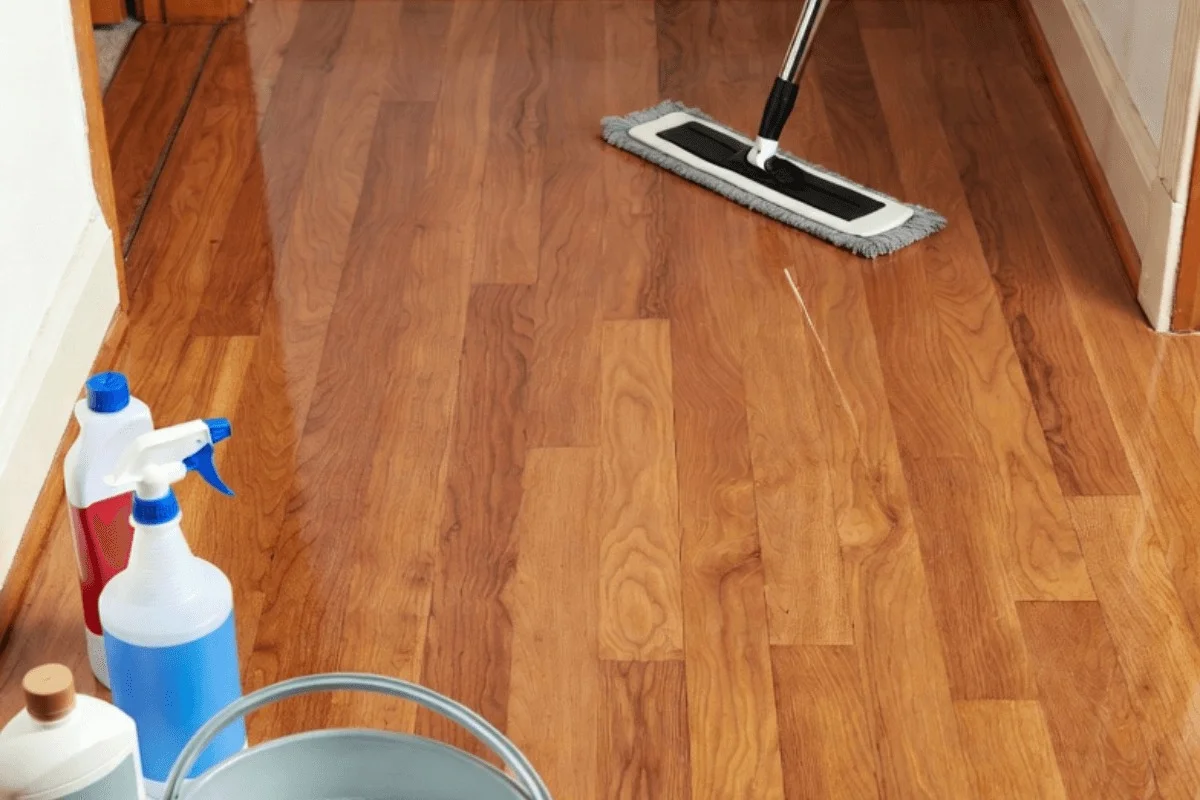
Gathering the right tools before you start makes the whole process go much more smoothly. Here’s what experienced cleaners and homeowners recommend:
Cleaning tools:
- A microfibre dust mop or broom
- A vacuum cleaner with a hardwood floor setting (no beater bar)
- A flat mop or spin mop with a well-wrung microfibre head
- A bucket
- Several clean cloths or rags for spot treatment and drying
Cleaning solutions (choose based on your floor type):
- A dedicated hardwood floor cleaner, such as a pH-neutral timber floor cleaner available from most hardware stores
- White vinegar (diluted heavily, approximately 1 part vinegar to 10 parts water) for unsealed or older floors
- A small amount of dish soap dissolved in water for grimy spots
- Murphy’s Oil Soap for periodic deep cleaning on finished floors
One thing worth noting: a lot of online advice recommends steam cleaners on timber floors. Most flooring professionals advise against this. Steam drives moisture deep into the wood and between the boards, which can cause swelling, warping, and damage to the finish over time. For a bond clean, you want results that look great without causing any new problems.
Step One: Dry Clean First, Always
This step is non-negotiable and it’s the one people most often skip in their rush to get started with the wet mop.
Start by dry mopping the entire floor with a microfibre dust mop. Work with the grain of the boards, pushing dust, pet hair, and loose debris into one area rather than scattering it around. Pay close attention to the gaps between boards where grime tends to accumulate.
Follow this up with a vacuum on a low or hard floor setting. Do not use a beater bar attachment, as this can scratch the surface. Get right into the corners, along the skirting boards, and under any fixed furniture. This is especially important in Brisbane and Gold Coast properties that have seen a lot of foot traffic or pet activity.
Skipping the dry clean and going straight to mopping just pushes dirt around and grinds it into the surface. It also muddies your cleaning solution almost immediately, making it far less effective.
Step Two: Tackle Stains and Problem Areas
Before you mop the whole floor, deal with any stubborn spots, stains, or build-up. This targeted approach means you’re not smearing problem areas across a larger surface when you mop.
Pet urine stains are common in rental properties and require a slightly different approach. Dampen a cloth with a small amount of warm water mixed with a few drops of dish soap and gently work the stain from the outside in. Dry the area thoroughly afterwards. For older, set-in stains that have penetrated the finish, you may need a product specifically designed for pet stains on timber. In some cases, light sanding and re-staining is the only real solution, but that’s a conversation for a professional. If you have pets, there are also a few extra considerations beyond just the floors as end of lease cleaning with pets comes with its own checklist.
Scuff marks from furniture or shoes can often be removed with a bit of elbow grease and a slightly damp cloth. If the scuff is on top of the finish rather than in the wood itself, a drop of methylated spirits on a rag can work well.
Sticky or grimy residue responds well to a warm water and dish soap solution. The key is to use as little liquid as possible and to dry the area quickly.
Step Three: Mop with the Right Solution
Now that the floor is dry-cleaned and spot-treated, you’re ready to mop. This is where most people go wrong, either using too much product, too much water, or the wrong solution altogether.
The golden rule with timber floors is to use a damp mop, not a wet one. After dipping your mop head into your cleaning solution, wring it out thoroughly. The mop should be barely damp to the touch. Excess water sitting on timber floors is one of the fastest ways to cause damage, and it can also cause the boards to swell if they’re not properly sealed.
Work in sections, always mopping with the grain of the boards. Rinse your mop head regularly in clean water and refresh your cleaning solution when it starts to look murky. Dirty solution just redeposits grime onto your floor.
For most Queensland rental properties with poly-sealed or lacquered timber floors, a good pH-neutral hardwood floor cleaner is your safest bet. Mix it according to the directions on the bottle and avoid the temptation to add more product thinking it will clean better. More product means more residue, and residue on timber floors is difficult to remove.
If your floors are older and have a penetrating oil or stain finish, a very diluted vinegar-and-water solution (roughly 1 part vinegar to 10 parts water) can work well for cutting through grime. However, use vinegar cautiously. It is acidic and can gradually strip the sealant on poly-coated floors if used regularly or in strong concentrations. When in doubt, stick to plain warm water or a purpose-made timber cleaner.
One method that gets consistently good results on older unsealed floors is a small amount of powdered laundry detergent dissolved in a bucket of warm water, applied with a well-wrung spin mop. This cuts through grease and built-up grime without leaving a heavy film.
Step Four: Rinse
Many people skip the rinse step, but it makes a noticeable difference in the final result, especially if you’ve used any kind of soap-based cleaner.
Go back over the floor with a clean mop dampened with plain warm water. This picks up any remaining residue and leaves the surface cleaner and brighter. Again, keep the mop damp rather than wet and work with the grain.
If you notice the floor looking streaky or dull once dry, this is almost always a sign of product build-up or residue that hasn’t been fully rinsed. A second pass with clean water usually sorts it out.
Step Five: Dry and Buff
Once you’ve finished mopping, dry the floor as quickly as possible. Open windows and doors to get some airflow through the space, or use a fan. In Queensland’s humid summer months particularly, sitting moisture on timber can cause issues.
For an extra bit of shine, buff the dry floor with a clean, dry microfibre cloth or mop. Work with the grain and use gentle, circular motions on any areas that look dull. This step isn’t strictly necessary, but it makes a real difference to how the floor looks once the property manager walks through.
What to Avoid
Knowing what not to do is just as important as knowing what to do. Here are the most common mistakes people make when cleaning timber floors before a move-out inspection, and some of them are the same DIY cleaning mistakes that end up costing tenants their bond.
Too much water. Standing water and timber floors are not friends. Even a small amount of moisture left sitting can raise the grain, cause discolouration, or damage the finish.
Neat or concentrated vinegar. Always dilute heavily, and if your floors have a poly or urethane sealant, think twice before using vinegar at all.
Steam mops. These might feel like a thorough clean, but the heat and moisture can warp boards and strip finishes.
Oil-based cleaners on poly-sealed floors. Products like Murphy’s Oil Soap are well-loved by many homeowners, but they can leave a residue build-up on sealed floors over time. If you use them, follow up with a rinse mop.
Abrasive scrubbers. These can scratch the finish and leave marks that are visible in certain light.
When to Call in the Professionals
Sometimes, despite your best efforts, the floors need more than a clean. Deep scratches, extensive staining, or floors that have lost their finish entirely are beyond what a standard clean can fix. In these situations, you may be looking at buffing, recoating, or full refinishing, and that’s a job for a professional.
If you’re in Brisbane or the Gold Coast and you’re not confident the floors will pass inspection, it’s worth calling in a professional bond cleaning team. An experienced cleaner will know exactly what property managers are looking for and can bring the right equipment and products for your specific floor type.
A thorough bond clean that includes properly cleaned timber floors is one of the best investments you can make when you’re moving out, and it goes a long way towards securing your full bond refund. It takes the stress out of the inspection and gives you the best possible chance of getting every dollar of your bond back.
Final Checklist Before You Hand Back the Keys
Before you leave the property, run through this quick check on your timber floors:
- All loose dust and debris removed with a dry mop and vacuum
- Stains and scuff marks treated individually
- Floor mopped with appropriate, diluted cleaning solution
- Floor rinsed with clean water
- Floor dried and well-ventilated
- Final buff completed for shine
- Skirting boards and floor edges wiped clean
Getting the floors right is one piece of the bond cleaning puzzle. For a full picture of everything that needs to be covered before you hand back the keys, take a look at the complete bond cleaning checklist for QLD.
If you want peace of mind that the entire property is cleaned to the standard required for a full bond return, our team at Bond Cleaning Service, services properties across Brisbane and the Gold Coast. We’re familiar with what local property managers expect and we back our work with a satisfaction guarantee.
Get in touch today to book your end-of-lease clean.